Local News in and around Olney

Here we have a brief look at what is happening locally in the area newswise.
Planning permissions and local talking points are all here.
Olney Council

Olney Town Council Meeting in full for July 2026
The public session was opened by resident Richard Freeman, who thanked Councillors Sarah Woods, Deidre Bethune and Colin Rodden for taking the initiative to establish a working group to tackle the growing problems at the Recreation Ground.
He described the move as both positive and courageous, praising councillors and local residents for working together to produce practical proposals. Mr Freeman said the responsibility now lay with Milton Keynes City Council and Thames Valley Police to play their part in addressing parking issues, highway concerns and anti-social behaviour.
He stressed that residents deserved clear answers about who was responsible for dealing with the various problems and what action could realistically be taken. His overall message was one of optimism and cooperation, although he was eventually cut short when the allotted speaking time expired.
There were no apologies for absence – indeed, even the Town Council cat was present – and there were no declarations of interest.
Minutes Approved
Approval of the previous meeting’s minutes prompted the evening’s first discussion.
Councillor Sarah Woods felt that the previous debate concerning the Recreation Ground had not been adequately reflected in the minutes. The Town Clerk reminded members that minutes are intended to provide a concise record of decisions rather than a verbatim account of every discussion. The matter went no further and the minutes were approved.
Police Report
The police report covered activity between 11 May and 5 July and highlighted a busy period for officers across Olney.
Incidents included illegal parking, anti-social behaviour at the river, barbecues in prohibited areas, noisy neighbours, illegal motorcycle use, dangerous driving, assaults, attempted burglary, criminal damage, public order offences, shoplifting, suspicious people and vehicles, a mobile phone theft and the unauthorised taking of a motor vehicle. Police also reported that improved CCTV coverage and better reporting procedures at Tesco appeared to be contributing to a reduction in shoplifting.
Recreation Ground
The Recreation Ground continued to demand significant police resources.
One reported incident initially believed to involve a stabbing fortunately proved to be a fight between young people, with no knives or firearms involved.
Officers attended throughout a particularly busy Friday evening and Saturday. During one incident, police attempted to stop a rider on an unregistered motorcycle travelling across the Recreation Ground. However, because of the large number of people using the area, officers decided it would be too dangerous to continue the pursuit.
Investigations are continuing to identify the rider.
Another recurring problem has involved youngsters throwing life rings into the river and using them as floats. Police confirmed that similar incidents are also occurring in Newport Pagnell and efforts are being made to ensure the safety equipment remains available for genuine emergencies.
While officers witnessed no serious breaches during their patrols, they continued advising members of the public against swimming in the River Great Ouse.
Bike Marking
Connor also highlighted the police’s bicycle-marking initiative, explaining that permanently marking bicycles significantly improves the chances of stolen property being returned to its owner.
Although the July event fell after the publication deadline for this report, similar schemes are expected to continue throughout the year.
Farewell to Connor Braddish
The meeting also marked Connor’s final appearance before Olney Town Council.
He has been promoted to become a detective, and councillors warmly congratulated him on his achievement. The local policing team will shortly welcome a new neighbourhood sergeant, Keith Ebsom together with an additional PCSO, Tina Hobson, to maintain neighbourhood policing across Olney.
The mayor thanked Connor for his professionalism and commitment to the town, wishing him every success in his new role. The appreciation was echoed by councillors across the chamber.
Councillor Colin Rodden praised the bicycle-marking scheme before asking whether the popular Olney Notice Board social media page could assist police in identifying the rider of the unregistered motorcycle.
Connor welcomed the suggestion, explaining that several useful images had already been received via social media. However, officers also needed to balance gathering evidence with ensuring the suspect was unaware that police intended to seize the motorcycle.
Arlene confirmed that CCTV footage was also being examined and that enquiries remained ongoing. Councillor Sarah Woods asked whether similar investigative techniques could be used to tackle other forms of anti-social driving, including vehicles fitted with excessively loud modified exhausts. Connor confirmed they could. Automatic Number Plate Recognition and other investigative tools are regularly used, and he encouraged residents to continue reporting incidents, as intelligence from the public remains vital.
Ward Councillors Report
Ward Councillor Keith McLean began by paying tribute to Connor, describing him as a tremendous asset not only to Olney but to the surrounding villages. He congratulated him on earning his promotion through hard work and dedication.
Cllr McLean then spoke movingly about the recent death of former neighbourhood policing supervisor Andrew White, whose funeral he had attended in Newport Pagnell. He said the church had been full, reflecting the enormous respect in which Mr White had been held.
He also paid tribute to Milton Keynes City Councillor Shanika Mahendran, whose sudden death had been a great shock to colleagues from all political parties.
Air Quality
Mr McLean reported some welcome environmental news. The Air Quality Management Area covering Olney has now officially been removed. The designation had been in place since 2008, but nitrogen dioxide levels have remained below national objectives since 2014, leading to its withdrawal following a sustained downward trend.
New Parking Enforcement Powers
He also announced that Milton Keynes City Council was introducing a new vehicle removal policy.
The day after the meeting, Mercury can confirm that the policy was formally approved.
Under the new arrangements, persistent offenders who repeatedly ignore parking restrictions could have their vehicles removed rather than simply receiving another parking ticket. Similar schemes elsewhere have proved effective by making illegal parking considerably more expensive for repeat offenders.
Olney Town Council will receive further information on how the policy will operate locally.
New Police Leadership
Cllr McLean also confirmed that the area would soon have both a new Neighbourhood Policing Supervisor and a new Chief Inspector.
Continuing a long-standing tradition, he intends to drive the new Chief Inspector around the ward to provide a first-hand understanding of the local communities and issues affecting the area.
He also thanked the mayor for keeping ward councillors informed about the multi-agency meetings dealing with Recreation Ground issues and said he hoped at least one ward councillor would continue attending these meetings wherever possible.
When no questions followed his report, Mr McLean joked “I must be getting better at it.” The remark raised a smile around the council chamber.
A Full House
The council then unanimously appointed Trevor Cooper as Olney Town Council’s newest councillor.
Invited to address members, Mr Cooper said he had several matters he wished to raise but preferred to do so at a future meeting after settling into his new role.
Following the formal vote, he took his place around the council table.
For the first time in some while, all fifteen council seats were occupied.
“Bingo,” came the observation from around the chamber – a full house of 15, 16 if you include the cat.
RECREATION GROUND AND RIVER SAFETY
RIVER REPORT:
Electroconductivity is rising to unacceptable levels running into the low 900’s when the average is 756, and normal is 50 – 800, so not great. E-coli has lowered to 132 CFU/100ml, but not to get complacent as either side of us and at Bedford it is in excess of 10,000.
If there was one subject that dominated the evening, it was undoubtedly the Recreation Ground.
For well over an hour councillors debated a comprehensive report prepared by the Recreation Ground Working Group, established following increasing concerns from residents about anti-social behaviour, parking, litter, river safety and communication between the various agencies involved.
The report, prepared by Councillor Sarah Woods with fellow councillors and local residents, contained 34 separate recommendations ranging from improved communication and better signage through to CCTV, additional bins, parking controls and stronger partnership working with Milton Keynes City Council and Thames Valley Police.
Before discussing the report itself, councillors considered the continuing issue of river safety.
RIVER SAFETY:
The Mayor reminded members that conditions on the River Great Ouse can change rapidly and that the Upper Great Ouse has been identified as one of the country’s most polluted rivers.
She referred to recent incidents elsewhere, including teenagers in Northampton becoming seriously ill after swimming in contaminated water, together with concerns over diseases such as Weil’s disease.
While acknowledging that people will continue to enter the river, she stressed there was very little that any parish council could legally do beyond issuing clear warnings and encouraging people to think carefully before entering the water.
Chris Curtis MP is due to meet the relevant water authorities and has invited both the Mayor and Mark Butterfield to submit any questions or concerns they would like raised on Olney’s behalf.
Councillor Colin Rodden suggested installing an information board close to the river displaying details about water quality.
The Town Clerk explained that water quality changes frequently and keeping a permanent noticeboard updated would require both staff time and ongoing maintenance. Existing warning signs are already in place.
Councillor Rodden accepted those practical difficulties but maintained that the council should continue exploring ways of providing clearer information for visitors.
Councillor Chris Tennant reminded members that the Town Council had consistently taken the position that anyone entering the river does so entirely at their own risk. “We know people have died,” he said, “but beyond issuing appropriate warnings there is little more that a parish council can realistically do.”
RECREATION GROUND WORKING GROUP
Attention then turned to the Working Group’s report. The Mayor thanked everyone involved, particularly the residents who had devoted many hours to gathering information and producing what she described as a detailed and thoughtful piece of work.
She reminded councillors that while some proposals could be implemented quickly, others would require cooperation from Milton Keynes City Council, Thames Valley Police and other agencies.
Councillor Sarah Woods explained that the report was the result of extensive discussions involving councillors and four local residents.
Some recommendations were already being progressed, while others were still developing as ideas rather than fully worked-up proposals.
Although the report contained 34 recommendations, she believed around 26 could potentially move forward following further discussion.
The council then began working through the document section by section.
BETTER COMMUNICATION:
The first topic concerned communication with residents.
One of the strongest messages from those living close to the Recreation Ground was that they wanted far better information about what the Town Council was doing behind the scenes.
Residents also wanted clearer explanations about what powers Olney Town Council actually has, as many people wrongly assume the Town Council controls policing, parking enforcement and highways matters.
Councillor Woods said one of the biggest frustrations was that much work often goes unnoticed simply because people never hear about it.
She also highlighted continuing confusion surrounding online reporting systems, where members of the public are sometimes directed towards the Town Council despite issues actually being the responsibility of Thames Valley Police or Milton Keynes City Council.
During the very first Working Group meeting, she said, residents had been genuinely surprised to discover just how much work the council had already been undertaking.
That demonstrated the need for better communication.
THE SOCIAL MEDIA DEBATE:
The Town Clerk suggested that social media had played a significant role in encouraging greater numbers of visitors to the Recreation Ground in the first place by portraying it as an attractive destination.
Councillor Chennells respectfully disagreed. He argued that social media should be viewed as one of the council’s strongest tools rather than part of the problem.
Almost everyone now uses social media, he said, including those responsible for anti-social behaviour. Publicising enforcement activity and making it clear that offences are being monitored could become an effective deterrent.
“The last thing people engaged in anti-social behaviour want,” he suggested, “is publicity.”
Councillor Deidre Bethune agreed that residents needed regular reassurance that the council was actively tackling the issues.
She pointed out that although the problems have undoubtedly become worse, they are by no means new and are being experienced by towns across the country rather than just in Olney.
The mayor agreed that communication needed improving but also recognised that not everyone uses social media.
She suggested that Phonebox Magazine could continue playing an important role in keeping residents informed alongside online updates.
REPORTING PROBLEMS:
Councillor Woods returned to one of the residents’ main concerns–the difficulty people experience when trying to report incidents.
She explained that although everyone is encouraged to report problems through the police’s 101 system, many residents feel discouraged when they receive little or no feedback. In one recent incident involving the motorcycle on the Recreation Ground, two people reported the matter but heard nothing further for three weeks.
The mayor acknowledged the frustration but stressed that reporting incidents remains essential. Every report made through 101 contributes to police intelligence. The more incidents that are officially recorded, the stronger the case becomes for allocating additional police resources to Olney.
“It may feel as though nothing happens,” she observed, “but without those reports the police have no evidence of the scale of the problem.”
A LONG LIST OF IDEAS: As discussion moved through the Working Group’s recommendations, it quickly became clear that members broadly supported the report’s direction but questioned whether all 34 proposals could realistically be debated in one evening.
Suggestions ranged from improved communication and clearer signage through to CCTV, additional security patrols, parking restrictions, volunteer initiatives and stronger partnerships with Milton Keynes City Council and Thames Valley Police.
Several councillors commented that many of the ideas had considerable merit but required further development before formal approval.
“QUICK WINS”: Councillor Chris Tennant suggested concentrating first on measures that could be introduced immediately.
The phrase “quick wins” soon became the unofficial theme of the evening.
Councillor Sarah Woods agreed that several proposals could be implemented without lengthy consultation or significant expenditure, allowing residents to see that progress was being made while more complex proposals continued to be developed.
COUNCILLOR SHAW'S PROPOSAL:
At this point Councillor Shaw offered what many around the table appeared to be thinking.
He praised the Working Group for producing an excellent and detailed report but admitted he had not expected councillors to work through more than thirty recommendations during a single meeting.
Rather than attempting to approve every proposal individually, he suggested the council formally endorse the work already undertaken, allow the Working Group to continue refining its recommendations and return with a much shorter list of practical proposals for formal approval.
There was broad agreement across the chamber.
Councillor Deidre Bethune supported the suggestion, adding that attention should initially focus on improvements that could realistically be delivered straight away.
Simple measures, such as improved signage and ensuring Milton Keynes City Council emptied bins before busy weekends, could make an immediate difference without requiring major investment.
Councillor Tennant agreed, describing the report as an excellent piece of work but reminding members that some recommendations would inevitably require detailed financial consideration.
The Town Clerk added that where funding already existed for smaller improvements, there was no reason why those projects could not begin immediately.
NEW BINS APPROVED:
One of the first practical decisions concerned litter bins.
Councillor Woods explained that additional bins were needed around the Recreation Ground to cope with increasing visitor numbers.
Councillor Tennant proposed that the Town Clerk be authorised to spend up to £5,000 on new bins.
The proposal received strong support and was approved with little difficulty.
It was one of the first tangible outcomes of the evening’s lengthy discussions.
BETTER WATER INFORMATION:
Councillor Woods also suggested making river safety information much easier for residents and visitors to understand.
Rather than relying solely on technical information, she proposed that the Town Council website should provide straightforward explanations written in plain English.
Members also discussed the possibility of installing QR codes near the river so visitors could quickly access the latest water quality information using their mobile phones.
This proposal was also supported and became another of the evening’s “quick wins”.
SPARTAN SECURITY:
Attention then turned to Spartan Security, whose patrols have become a regular feature around the Recreation Ground.
Councillor Colin Rodden questioned whether the council had received a report covering the recent Bank Holiday period and asked whether there was scope to strengthen the security presence.
The mayor reminded members that Spartan patrols complement, rather than replace, police responsibilities and once again stressed that incidents should continue to be reported through 101.
The Town Clerk explained that Spartan staff patrol on agreed days and are easily identifiable, normally wearing high-visibility clothing and carrying radios.
Councillor Bethune noted that during particularly hot weather they had not always worn high-visibility jackets, making them less obvious to members of the public.
Councillor Woods suggested that members of the Working Group should meet directly with Spartan to discuss operational improvements and consider whether a direct contact number could be made available for urgent issues while patrols were on duty. The Town Clerk agreed to arrange a meeting.
VOLUNTEERS RECOGNISED:
Councillor Woods then paid tribute to a local resident who has spent many hours voluntarily litter-picking around the Recreation Ground.
She felt the individual’s efforts deserved public recognition.
The Town Clerk noted that other volunteers also help regularly and reminded members that the council already funds weekday litter collection, although additional weekend volunteers would always be welcome.
Councillor Bethune proposed creating a community WhatsApp group for residents willing to assist with occasional litter-picking sessions.
The Town Clerk confirmed she had no objection, provided it was not administered through her own mobile phone.
The proposal received general support.
Councillor Rodden questioned whether volunteers should be clearing litter created through anti-social behaviour at all, arguing that offenders should be encouraged to take responsibility for their own rubbish.
As had happened several times during the evening, discussion briefly became ‘rather lively’ before the mayor restored order and moved members back to the agenda.
MOVING FORWARD:
As the debate finally drew to a close, the mayor thanked everyone involved in producing the Working Group report.
She particularly praised the cooperation shown between councillors and residents, describing it as a positive example of the community working together to solve difficult problems.
Councillor Shaw’s earlier proposal–once he had recalled what he’d said as it was some time back - to continue the Working Group, reduce the lengthy list of recommendations into a smaller number of deliverable actions and bring those back to council for formal approval–was then put to the vote. It was carried.
While relatively few of the 34 recommendations were formally adopted on the night, the meeting nevertheless produced several immediate outcomes.
Additional bins will now be purchased, clearer river safety information will be provided, discussions with Spartan Security will continue, volunteer initiatives will be developed and, perhaps most importantly, the Working Group will remain in place to develop the remaining proposals into practical actions.
Given the length of the discussion, that represented a productive, and lively, evening’s work.
Community Projects, Highways and Future Developments
With the lengthy Recreation Ground debate finally concluded, the council was able to move through the remainder of what was still a substantial agenda.
Expenditure and Budget
Councillors then turned their attention to the council’s financial business. The expenditure schedule and budget recommendations were considered and approved without significant debate, allowing the meeting to move on to a series of community updates.
Celebrating Young People
The Mayor reported on attending the recent Ousedale School Awards Evening, where around 125 students were recognised for their achievements.
She described the evening as a tremendous celebration of young people’s success and praised the exceptionally high standard reached by the award winners.
Following the ceremony she spoke with members of the judging panel, who expressed a keen interest in strengthening links between the school and the wider Olney community.
Winterbottom Way Community Centre
Members also heard that the new Winterbottom Way Community Centre is now fully operational following its official opening on 4 July.
The mayor thanked everyone who had helped make the launch such a success, particularly Mary, Chris, Jane and the many volunteers who provided refreshments throughout the afternoon.
Special recognition was also given to Councillor Chris Tennant and the steering group for the considerable amount of work undertaken behind the scenes to bring the project to completion.
Representatives from the Cowper and Newton Museum attended the opening, while musicians from Ousedale School provided entertainment throughout the afternoon.
The centre has already begun receiving bookings and the mayor thanked both the caretaker and council staff for their work supporting the various user groups now making use of the building.
Army Cadets march into Olney
The council also heard that discussions are continuing regarding the possible establishment of an Army Cadet unit at the new community centre.
An open day is planned for 12 September, giving residents an opportunity to visit the facility and gauge local interest.
Members felt the cadets would provide valuable opportunities for young people through adventure training, skills development and community involvement.
Speed Indicator Device (SID) Statistics
Deputy Town Clerk Rob presented the latest data collected by the council’s Speed Indicator Devices. The figures painted a generally encouraging picture.
At Yardley Road, near Olney Middle School, more than 25,000 vehicles were recorded travelling northbound during the survey period. The average speed was 19.57mph, comfortably below the 20mph limit and lower than the previous month’s average.
On Asprey, Foxhill, almost 49,000 vehicles were recorded heading northbound, with an average speed of 24.25mph in the 30mph zone.
Meanwhile, at Aspreys, Hollow Wood, around 44,000 southbound vehicles were recorded, averaging 25.22mph.
Overall, councillors welcomed another positive set of figures showing average speeds remaining comfortably within the posted limits.
Are the SIDs in the Right Place?
Newly appointed Councillor Trevor Cooper asked whether the Speed Indicator Devices were positioned in the most appropriate locations.
The Town Clerk explained that responsibility for deciding where the devices are deployed rests with Milton Keynes City Council rather than Olney Town Council.
Further discussion centred on Warrington Road, where members felt additional monitoring would be beneficial.
Although requests have already been submitted, Milton Keynes City Council has yet to alter the monitoring locations.
When members wondered whether another formal request should be submitted, the mayor confirmed that the matter was already within the system and awaiting a response.
Weston Road Concerns
Councillor Colin Rodden, declaring an interest as a Weston Road resident, raised concerns about a damaged post that had been struck by a vehicle some time ago.
The post remains bent, preventing a Speed Indicator Device from being installed there should the location eventually be approved.
Ward Councillor Keith McLean said he had not previously been made aware of the issue but assured members he would investigate once the relevant information had been forwarded to him.
Councillor Rodden added that while motorists appear to be slowing down more than in previous years, cyclists continue to express concerns about vehicle speeds on the road.
Sports Facilities
The Town Clerk confirmed that work relating to the former football club site remains on schedule for completion during August.
Little had changed since the previous meeting regarding the proposed padel courts, with the project still awaiting progress through the planning process.
Councillor Deidre Bethune asked whether noise associated with padel tennis had been taken into account.
The Town Clerk replied that she expected any potential noise issues to be considered as part of the planning application.
Johnson’s Field Play Area
Members were pleased to hear that plans for the Johnson’s Field junior play area had now been received.
Work is expected to begin on 17 July.
No decision has yet been reached regarding the proposed fun park, although Milton Keynes City Council has assured Olney Town Council that it will continue providing updates as the project progresses.
Overall, councillors welcomed the fact that progress is finally beginning to be made after what has been a lengthy period of planning.
Land Transfer, August Meeting and Closing Thoughts
One of the most significant decisions of the evening concerned the future ownership and management of the land surrounding the new Winterbottom Way Community Centre.
A Long-Term Investment
Councillors discussed proposals for Olney Town Council to take responsibility for the entire site from Milton Keynes City Council, together with a maintenance fund of £500,000.
Should the transfer proceed, responsibility for maintaining the land and facilities would pass entirely to Olney Town Council.
Councillor David Chennells acknowledged that accepting responsibility represented a considerable commitment but believed it was a rare opportunity that should not be missed.
“It is a lot of money,” he observed, “but another opportunity like this may never come along.”
The alternative would be for Milton Keynes City Council to retain responsibility for the site and continue making the decisions about its future.
The Town Clerk reassured members that the £500,000 maintenance fund would be ring-fenced solely for maintaining the site and could not simply be diverted elsewhere within the council’s budget.
Councillor Chennells also pointed out another important advantage. With ownership comes control.
Should repairs or improvements be required in future, Olney Town Council would be able to make decisions directly rather than relying upon another authority. He also pointed out that in all probability by the time the money was spent, none of those sitting around the table would be on OTC.
Councillor Chris Tennant agreed, describing the proposal as a major opportunity for the town that should be embraced while the chance existed.
Other councillors expressed similar views and the principle of the transfer received broad support, subject to the necessary legal work being completed.
Should There Be an August Meeting?
Traditionally, Olney Town Council does not hold a formal meeting during August.
However, after such an extensive evening spent discussing the Recreation Ground, Councillor Chennells suggested cancelling the next meeting could send the wrong message to residents.
With significant public interest continuing and further work already planned, he felt momentum should be maintained. Members agreed.
An August meeting will therefore take place, allowing councillors to continue monitoring progress and consider further recommendations from the Recreation Ground Working Group without waiting until September.
Closing Thoughts
The July meeting will almost certainly be remembered as one of the longest in recent years.
The Recreation Ground dominated proceedings, but by the end of the evening councillors had achieved considerably more than simply debating problems.
The Working Group’s efforts received widespread support, several immediate improvements–or “quick wins”–were approved, and the group itself was asked to continue refining its recommendations before bringing a shorter, more focused package of proposals back to council.
Away from the Recreation Ground, members welcomed a new councillor, congratulated PCSO Connor on his promotion to detective, celebrated the official opening of the Winterbottom Way Community Centre, approved expenditure, reviewed encouraging traffic-speed data, received updates on several community projects and took an important step towards securing local control of one of Olney’s newest public assets.
It had been a long evening, occasionally lively, sometimes humorous and, at times, rather chaotic. Yet throughout the meeting there remained a genuine determination from councillors of all viewpoints to improve the town and work constructively with residents and partner organisations.
By the time the mayor finally declared the meeting closed, one attendee had long since decided enough was enough. The cat.
D.P.
Olney Is a Safe Place to Live
Police host meeting to discuss burglaries in the area
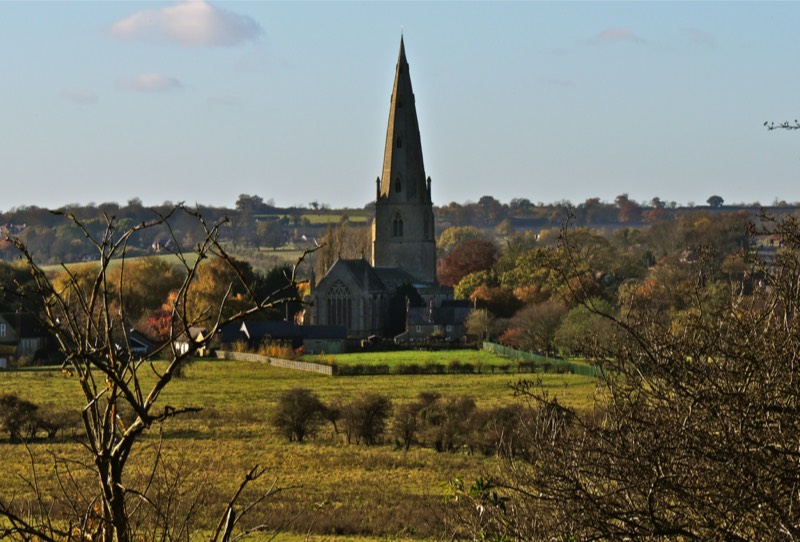
This is according to the police at tonight's meeting at the Olney Centre regarding the spate of burglaries in our town.
Concerns were raised about the distance Olney is from MK for when a burglary is in action. Being situated on the edge of the Thames Valley area and on the border of Northants and Bedfordshire is always going to be a problem for the residents of Olney.
Reassurance was given that the Police were instigating patrols at night and the chances of catching a burglar in the act would be greatly helped by assistance from the public.
Some concerns were raised about the role of social media. On the one hand it is good that people can be quickly notified of problems in our town. After all its by social media and word of mouth that there was good attendance at this meeting. But also we must work together with the Police and tell them of any concerns of suspicious behaviour.
However reporting of things too early on social media can be detrimental to a police investigation and spread disinformation. So to confirm tell the Police first!
Previous News in the headlines about Olney
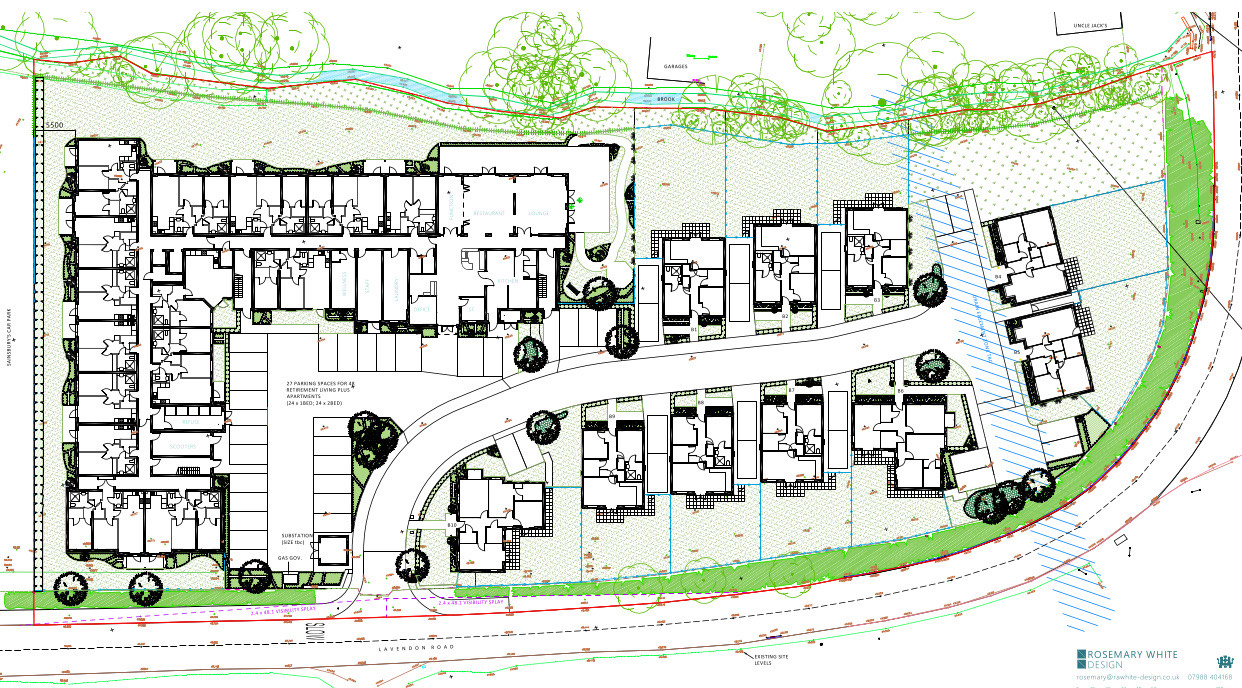
Land off Lavendon Road, Olney and it's development
MK committee is to consider the recommendation to accept the proposal for the above development on 7th November 2019.
Any objections should be sent in as soon as possible.
The Application Number is: 19/01484/FUL
Description Erection of 48 Class C2 Retirement Living Plus Apartments And 10 Class C3 Retirement Living Bungalows, Along With Related Access, Road, Parking, Landscaping and Associated Works.
Councillor Deirdre Bethune commenting on behalf of Olney Town Council.
• Olney Town Council object to this application as it is at variance to the Olney Neighbourhood Plan and Plan MK. This site is designated for retail.
• It is an inappropriate site for a residence for the elderly on the outskirts of town.
• It was felt that marketing the site for retail for less than a year was inadequate and building residential there would preclude any chance of getting retail there in the future.
• We would welcome the opportunity to further comment on our objection at committee
Any objections by the public should be sent in before the deadline date.
Please click on the Plan below to see the proposals
Planning permission rejected for 50 Dwellings in the Town
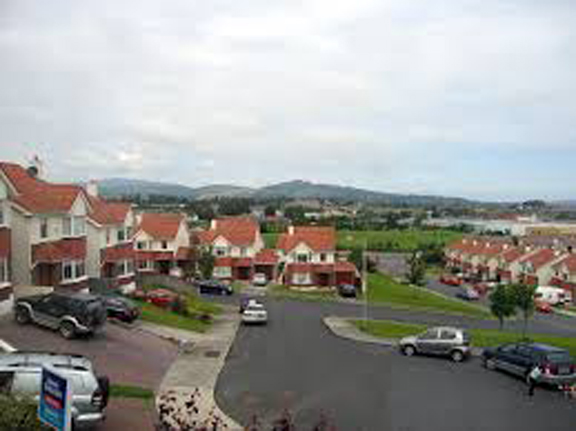
Milton Keynes Council reject plans
50 Dwellings Rejected
The reasons for the rejection are not known as yet. When they are publicised we will report back.
Reference: 16/00142/FUL which was submitted to convert Westlands Care Home in Olney High Street into ten residential apartments.
A similar application was made in June Last year with concerns expressed at the time about resident and visitor parking.
Note: Alongside this an enforcement action was also started against the owner for its alleged use as a House in Multiple Occupancy.
The occupants of Westlands have now left, therefore we believe no action will be necessary.
Sainsbury Planning Application Denied
No Sainsbury in Olney

Surprise vote annoys many in the town
Many locals were confused over Milton Keynes Council’s decision to reject planning for a Sainsbury superstore in Olney. With over 80% of the town showing an interest in the development. MKC rejected the offer.
The plans for a new supermarket and petrol station were heard at MKC’s Development Control Committee in February. Although the application had more support throughout the town and neighbouring villages than those against, the application was refused with the Chairman’s casting vote used to decide the reasons for refusal.
We expect an appeal to be lodged and another planning application submitted.
Olney Skate and BMX Park
More amenities for young people needed
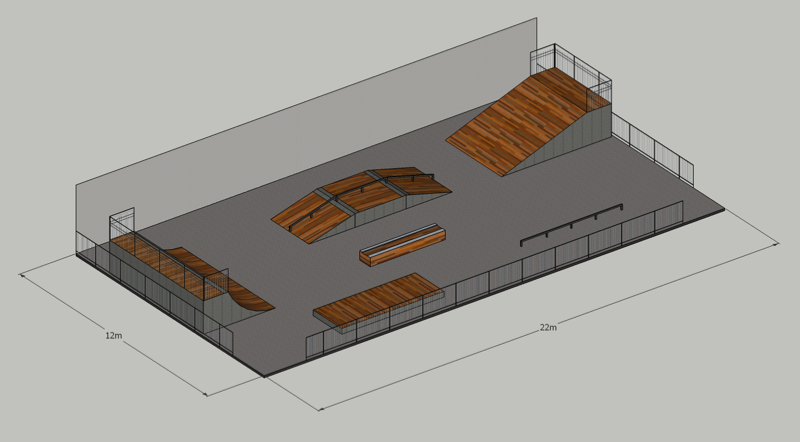
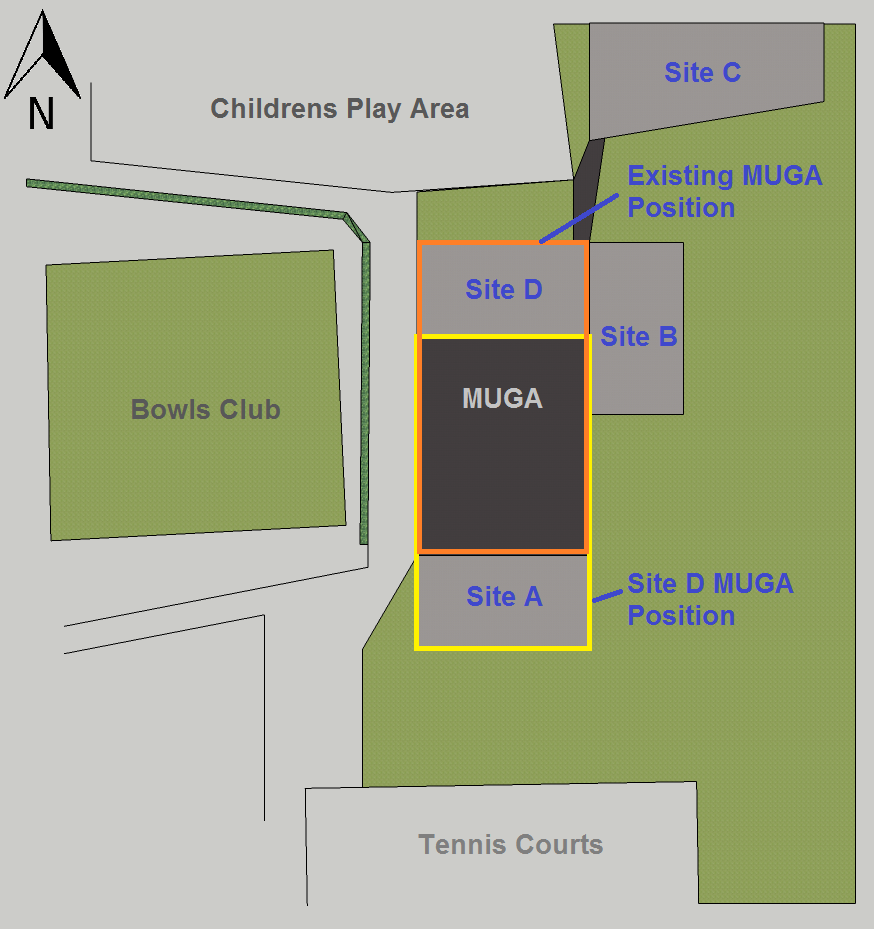
Some young people approached Olney Town Council late last year to ask for further amenities for young people. Rugby, Football and other sports have been very successful in our town and for those young people that do not play these sports suggestions such as further Basketball provision and a skate park were proposed. Skate is a growing sport (some call an art) with more and more women taking it up and proposals to have in the Olympic Games for 2020. Many Councils within the UK have created a skate site or are considering creating one.
For the past 5 or so months the Olney Community Skate/BMX Park & Multi Use Games Area (MUGA) group have worked with the Olney community posting ideas on the Olney Noticeboard Facebook page, promoting a SurveyMonkey questionnaire, discussed with Milton Keynes Council and Olney Town Council as well as sports users / clubs at the Recreation Ground. Proposed site will be smallish measuring approximately 22M x 12M.
Sites within Olney owned by the Council that have been looked at include Johnsons Field, Youth Club, Recreation Ground, and Barnfield. The use of scoring and consultation has prioritised a number of possible sites within the recreation ground where there are toilets, sites are away from residential boundaries (skate parks in the main are sited in recreation areas), a good footfall to keep our young people safe.
As well as the skate element, the MUGA at the recreation ground will also be refurbished at a joint cost of £75k. It is hoped that as well as 5 a side football and Basketball being played, netball and hockey could also be accommodated with a new surface and appropriate lining.
We are starting to raise funds for this work and have applied to Sport England (National Lottery) in the first instance for some of the funds needed. As a community initiative for our young people we welcome input from you, young or old. If you have any skills in fund raising or project managing or would like to be on the committee please contact us at olneyskatebmxpark@yahoo.co.uk.
Plan MK ~ Your chance to air your views
How will Plan MK affect you?
Plan MK
Milton Keynes Council has issued a public consultation on Strategic Development Options which will run from 13th January to 6th April. There are four options: increase housing density within the urban areas of Milton Keynes; expand to the south and west; expand to the east; and finally to create “satellite settlements” of between 5,000 and 10,000 houses in the rural part of MK, which means predominantly the north of the borough. To put the size in perspective, 10,000 houses is the size of a new town with a population of around 25,000 people, or almost twice that of Bletchley.
Olney Town Council, along with more than 20 rural parish councils challenged MK Council by “calling in” the decision to issue the consultation. We asked MKC to withdraw the consultation because we believe there were serious flaws in the process. After a series of meetings over 2 months, MK Council rejected our demands and went ahead and issued the consultation document in January. This resulted in Olney TC, with support from other local parishes, issuing a formal legal challenge to the consultation. We are still waiting for MKC to respond to this.
The consultation can be seen at www.milton-keynes.gov.uk/PlanMK or at the Civic Offices and at all MK libraries. Responses can be made online through Milton Keynes Council’s consultation portal at http://miltonkeynes-consult.objective.co.uk or you can send them by email to planmk@milton-keynes.gov.uk or by post to: Development Plans Team, Milton Keynes Council, Civic Offices, 1 Saxon Gate East, Central Milton Keynes MK9 3EJ.
It is very important that you respond to this consultation by 5pm on 6th April.
Please don’t be complacent because this will affect YOU. If you are worried about the plan but don’t bother to object, we could end up losing our rural identity and the facilities we have worked so hard to create and maintain if we are swallowed up in a huge new urban area and become just another estate on the fringes of Milton Keynes. Although I have concentrated on Olney Town Council because that’s my council, the consultation impacts all of MK so the comments here are applicable to all parish councils.
Here are some points to bear in mind when you respond to the consultation.
● This whole consultation is meaningless without a projection of how the population will grow. Whether and where houses are built in practice depends on how many of them are actually necessary to meet population demand. No evidence-based housing demand exists beyond 2031 and there has not been any MKC debate or decision. Half of new UK housing demand originates from immigration but whatever government is in office or whether or not the UK remains in the EU, it is highly likely that levels of immigration will be reduced, with a consequent reduction in housing demand.
● A doubling of the size of Milton Keynes is totally contrary to current central Government plans to re-balance population and economy between the North and the South. The South-East of England is already the most densely populated territory in Europe, with exception of Malta, and our infrastructure is struggling to cope even with the current population levels.
● The urban part of MK was designed for a population of 250,000. The urban infrastructure will need to be expanded if the population is going to increase significantly above this level, regardless of whether or not the additional population is located within the existing urban boundary, as residents will inevitably use facilities within the urban area. In particular, the existing grid road infrastructure has been reported (by MKC Highways) as only having capacity for about 15% more traffic. Another obvious candidate would be expansion of the hospital and perhaps the railway station since a large number of residents commute out and another large number commutes in.
● From a purely financial perspective, the Head of Finance at MKC has said that for every 1,750 houses built (the current annual housing target), MKC faces a net increase in cost of £1million. While there will be offsetting economic benefits, this will be outside the MKC budget i.e. in the private sector or in public services not administered by MKC such as the NHS. This begs the question of how the increase in population can be financed.
● Development to the south and west also has a number of benefits mainly because Aylesbury Vale Council also wishes to develop there on adjacent land. The benefits of scale from the two authorities working together in terms of road infrastructure (e.g. link dualling the A421) would be significant though, again, protection must be offered to existing villages such as Whaddon, Nash, and Beachampton by a green belt. Another benefit of developing on this route will be proximity to the new East-West railway between Oxford and Cambridge.
● In the case of potential rural satellite settlements, the plan does not offer a green belt around the existing villages, leading to a complete loss of identity. The parishes would be transformed from rural villages into urban estates. The size of the proposed settlements is disproportionate – together with existing villages, it would make the new settlements twice as big as the largest existing parish in MK. It would compromise the unique character of MK with its mix of city, market town and rural village.
● The A509 would certainly have to be dualled which would impact Emberton, Clifton Reynes, Weston Underwood and more. In addition, the Olney bypass would have to be built as the town could not accommodate the traffic from an additional 10,000 houses. While some may welcome a bypass it would have a major impact on the open country whichever side of Olney it was built on. The M1 is a serious barrier to the flow of traffic to and from MK so additional bridges would have to be built. The cost of roads to service the proposed new town is very high.
● It is also worth considering the construction phase. It would be essential that the new roads were built before housing development starts. This is because a satellite settlement is unlikely to build at more than a rate of 1,000 houses a year and even that is probably ambitious. The impact for existing villages of construction traffic using the existing inadequate roads for an extended period of 10-20 years is totally unreasonable and unacceptable.
If you need any more information please look up the Olney Town Council page on Facebook or contact me directly on 07941 499698 or Jeremy@careyway.co.uk I have a template letter which you just have to complete and send in to MK Council. This will be available on the Olney Town Council Facebook page and I am happy to email it to you. I’m happy to engage with parishioners from other councils.
Jeremy Rawlings, Olney Town Council
Local News in and around Olney
Here we have a brief look at what is happening locally in the area newswise.
Planning permissions and local talking points are all here.
Olney Council
Olney Town Council Meeting in full for July 2026
The public session was opened by resident Richard Freeman, who thanked Councillors Sarah Woods, Deidre Bethune and Colin Rodden for taking the initiative to establish a working group to tackle the growing problems at the Recreation Ground.
He described the move as both positive and courageous, praising councillors and local residents for working together to produce practical proposals. Mr Freeman said the responsibility now lay with Milton Keynes City Council and Thames Valley Police to play their part in addressing parking issues, highway concerns and anti-social behaviour.
He stressed that residents deserved clear answers about who was responsible for dealing with the various problems and what action could realistically be taken. His overall message was one of optimism and cooperation, although he was eventually cut short when the allotted speaking time expired.
There were no apologies for absence – indeed, even the Town Council cat was present – and there were no declarations of interest.
Minutes Approved
Approval of the previous meeting’s minutes prompted the evening’s first discussion.
Councillor Sarah Woods felt that the previous debate concerning the Recreation Ground had not been adequately reflected in the minutes. The Town Clerk reminded members that minutes are intended to provide a concise record of decisions rather than a verbatim account of every discussion. The matter went no further and the minutes were approved.
Police Report
The police report covered activity between 11 May and 5 July and highlighted a busy period for officers across Olney.
Incidents included illegal parking, anti-social behaviour at the river, barbecues in prohibited areas, noisy neighbours, illegal motorcycle use, dangerous driving, assaults, attempted burglary, criminal damage, public order offences, shoplifting, suspicious people and vehicles, a mobile phone theft and the unauthorised taking of a motor vehicle. Police also reported that improved CCTV coverage and better reporting procedures at Tesco appeared to be contributing to a reduction in shoplifting.
Recreation Ground
The Recreation Ground continued to demand significant police resources.
One reported incident initially believed to involve a stabbing fortunately proved to be a fight between young people, with no knives or firearms involved.
Officers attended throughout a particularly busy Friday evening and Saturday. During one incident, police attempted to stop a rider on an unregistered motorcycle travelling across the Recreation Ground. However, because of the large number of people using the area, officers decided it would be too dangerous to continue the pursuit.
Investigations are continuing to identify the rider.
Another recurring problem has involved youngsters throwing life rings into the river and using them as floats. Police confirmed that similar incidents are also occurring in Newport Pagnell and efforts are being made to ensure the safety equipment remains available for genuine emergencies.
While officers witnessed no serious breaches during their patrols, they continued advising members of the public against swimming in the River Great Ouse.
Bike Marking
Connor also highlighted the police’s bicycle-marking initiative, explaining that permanently marking bicycles significantly improves the chances of stolen property being returned to its owner.
Although the July event fell after the publication deadline for this report, similar schemes are expected to continue throughout the year.
Farewell to Connor Braddish
The meeting also marked Connor’s final appearance before Olney Town Council.
He has been promoted to become a detective, and councillors warmly congratulated him on his achievement. The local policing team will shortly welcome a new neighbourhood sergeant, Keith Ebsom together with an additional PCSO, Tina Hobson, to maintain neighbourhood policing across Olney.
The mayor thanked Connor for his professionalism and commitment to the town, wishing him every success in his new role. The appreciation was echoed by councillors across the chamber.
Councillor Colin Rodden praised the bicycle-marking scheme before asking whether the popular Olney Notice Board social media page could assist police in identifying the rider of the unregistered motorcycle.
Connor welcomed the suggestion, explaining that several useful images had already been received via social media. However, officers also needed to balance gathering evidence with ensuring the suspect was unaware that police intended to seize the motorcycle.
Arlene confirmed that CCTV footage was also being examined and that enquiries remained ongoing. Councillor Sarah Woods asked whether similar investigative techniques could be used to tackle other forms of anti-social driving, including vehicles fitted with excessively loud modified exhausts. Connor confirmed they could. Automatic Number Plate Recognition and other investigative tools are regularly used, and he encouraged residents to continue reporting incidents, as intelligence from the public remains vital.
Ward Councillors Report
Ward Councillor Keith McLean began by paying tribute to Connor, describing him as a tremendous asset not only to Olney but to the surrounding villages. He congratulated him on earning his promotion through hard work and dedication.
Cllr McLean then spoke movingly about the recent death of former neighbourhood policing supervisor Andrew White, whose funeral he had attended in Newport Pagnell. He said the church had been full, reflecting the enormous respect in which Mr White had been held.
He also paid tribute to Milton Keynes City Councillor Shanika Mahendran, whose sudden death had been a great shock to colleagues from all political parties.
Air Quality
Mr McLean reported some welcome environmental news. The Air Quality Management Area covering Olney has now officially been removed. The designation had been in place since 2008, but nitrogen dioxide levels have remained below national objectives since 2014, leading to its withdrawal following a sustained downward trend.
New Parking Enforcement Powers
He also announced that Milton Keynes City Council was introducing a new vehicle removal policy.
The day after the meeting, Mercury can confirm that the policy was formally approved.
Under the new arrangements, persistent offenders who repeatedly ignore parking restrictions could have their vehicles removed rather than simply receiving another parking ticket. Similar schemes elsewhere have proved effective by making illegal parking considerably more expensive for repeat offenders.
Olney Town Council will receive further information on how the policy will operate locally.
New Police Leadership
Cllr McLean also confirmed that the area would soon have both a new Neighbourhood Policing Supervisor and a new Chief Inspector.
Continuing a long-standing tradition, he intends to drive the new Chief Inspector around the ward to provide a first-hand understanding of the local communities and issues affecting the area.
He also thanked the mayor for keeping ward councillors informed about the multi-agency meetings dealing with Recreation Ground issues and said he hoped at least one ward councillor would continue attending these meetings wherever possible.
When no questions followed his report, Mr McLean joked “I must be getting better at it.” The remark raised a smile around the council chamber.
A Full House
The council then unanimously appointed Trevor Cooper as Olney Town Council’s newest councillor.
Invited to address members, Mr Cooper said he had several matters he wished to raise but preferred to do so at a future meeting after settling into his new role.
Following the formal vote, he took his place around the council table.
For the first time in some while, all fifteen council seats were occupied.
“Bingo,” came the observation from around the chamber – a full house of 15, 16 if you include the cat.
RECREATION GROUND AND RIVER SAFETY
RIVER REPORT:
Electroconductivity is rising to unacceptable levels running into the low 900’s when the average is 756, and normal is 50 – 800, so not great. E-coli has lowered to 132 CFU/100ml, but not to get complacent as either side of us and at Bedford it is in excess of 10,000.
If there was one subject that dominated the evening, it was undoubtedly the Recreation Ground.
For well over an hour councillors debated a comprehensive report prepared by the Recreation Ground Working Group, established following increasing concerns from residents about anti-social behaviour, parking, litter, river safety and communication between the various agencies involved.
The report, prepared by Councillor Sarah Woods with fellow councillors and local residents, contained 34 separate recommendations ranging from improved communication and better signage through to CCTV, additional bins, parking controls and stronger partnership working with Milton Keynes City Council and Thames Valley Police.
Before discussing the report itself, councillors considered the continuing issue of river safety.
RIVER SAFETY:
The Mayor reminded members that conditions on the River Great Ouse can change rapidly and that the Upper Great Ouse has been identified as one of the country’s most polluted rivers.
She referred to recent incidents elsewhere, including teenagers in Northampton becoming seriously ill after swimming in contaminated water, together with concerns over diseases such as Weil’s disease.
While acknowledging that people will continue to enter the river, she stressed there was very little that any parish council could legally do beyond issuing clear warnings and encouraging people to think carefully before entering the water.
Chris Curtis MP is due to meet the relevant water authorities and has invited both the Mayor and Mark Butterfield to submit any questions or concerns they would like raised on Olney’s behalf.
Councillor Colin Rodden suggested installing an information board close to the river displaying details about water quality.
The Town Clerk explained that water quality changes frequently and keeping a permanent noticeboard updated would require both staff time and ongoing maintenance. Existing warning signs are already in place.
Councillor Rodden accepted those practical difficulties but maintained that the council should continue exploring ways of providing clearer information for visitors.
Councillor Chris Tennant reminded members that the Town Council had consistently taken the position that anyone entering the river does so entirely at their own risk. “We know people have died,” he said, “but beyond issuing appropriate warnings there is little more that a parish council can realistically do.”
RECREATION GROUND WORKING GROUP
Attention then turned to the Working Group’s report. The Mayor thanked everyone involved, particularly the residents who had devoted many hours to gathering information and producing what she described as a detailed and thoughtful piece of work.
She reminded councillors that while some proposals could be implemented quickly, others would require cooperation from Milton Keynes City Council, Thames Valley Police and other agencies.
Councillor Sarah Woods explained that the report was the result of extensive discussions involving councillors and four local residents.
Some recommendations were already being progressed, while others were still developing as ideas rather than fully worked-up proposals.
Although the report contained 34 recommendations, she believed around 26 could potentially move forward following further discussion.
The council then began working through the document section by section.
BETTER COMMUNICATION:
The first topic concerned communication with residents.
One of the strongest messages from those living close to the Recreation Ground was that they wanted far better information about what the Town Council was doing behind the scenes.
Residents also wanted clearer explanations about what powers Olney Town Council actually has, as many people wrongly assume the Town Council controls policing, parking enforcement and highways matters.
Councillor Woods said one of the biggest frustrations was that much work often goes unnoticed simply because people never hear about it.
She also highlighted continuing confusion surrounding online reporting systems, where members of the public are sometimes directed towards the Town Council despite issues actually being the responsibility of Thames Valley Police or Milton Keynes City Council.
During the very first Working Group meeting, she said, residents had been genuinely surprised to discover just how much work the council had already been undertaking.
That demonstrated the need for better communication.
THE SOCIAL MEDIA DEBATE:
The Town Clerk suggested that social media had played a significant role in encouraging greater numbers of visitors to the Recreation Ground in the first place by portraying it as an attractive destination.
Councillor Chennells respectfully disagreed. He argued that social media should be viewed as one of the council’s strongest tools rather than part of the problem.
Almost everyone now uses social media, he said, including those responsible for anti-social behaviour. Publicising enforcement activity and making it clear that offences are being monitored could become an effective deterrent.
“The last thing people engaged in anti-social behaviour want,” he suggested, “is publicity.”
Councillor Deidre Bethune agreed that residents needed regular reassurance that the council was actively tackling the issues.
She pointed out that although the problems have undoubtedly become worse, they are by no means new and are being experienced by towns across the country rather than just in Olney.
The mayor agreed that communication needed improving but also recognised that not everyone uses social media.
She suggested that Phonebox Magazine could continue playing an important role in keeping residents informed alongside online updates.
REPORTING PROBLEMS:
Councillor Woods returned to one of the residents’ main concerns–the difficulty people experience when trying to report incidents.
She explained that although everyone is encouraged to report problems through the police’s 101 system, many residents feel discouraged when they receive little or no feedback. In one recent incident involving the motorcycle on the Recreation Ground, two people reported the matter but heard nothing further for three weeks.
The mayor acknowledged the frustration but stressed that reporting incidents remains essential. Every report made through 101 contributes to police intelligence. The more incidents that are officially recorded, the stronger the case becomes for allocating additional police resources to Olney.
“It may feel as though nothing happens,” she observed, “but without those reports the police have no evidence of the scale of the problem.”
A LONG LIST OF IDEAS: As discussion moved through the Working Group’s recommendations, it quickly became clear that members broadly supported the report’s direction but questioned whether all 34 proposals could realistically be debated in one evening.
Suggestions ranged from improved communication and clearer signage through to CCTV, additional security patrols, parking restrictions, volunteer initiatives and stronger partnerships with Milton Keynes City Council and Thames Valley Police.
Several councillors commented that many of the ideas had considerable merit but required further development before formal approval.
“QUICK WINS”: Councillor Chris Tennant suggested concentrating first on measures that could be introduced immediately.
The phrase “quick wins” soon became the unofficial theme of the evening.
Councillor Sarah Woods agreed that several proposals could be implemented without lengthy consultation or significant expenditure, allowing residents to see that progress was being made while more complex proposals continued to be developed.
COUNCILLOR SHAW'S PROPOSAL:
At this point Councillor Shaw offered what many around the table appeared to be thinking.
He praised the Working Group for producing an excellent and detailed report but admitted he had not expected councillors to work through more than thirty recommendations during a single meeting.
Rather than attempting to approve every proposal individually, he suggested the council formally endorse the work already undertaken, allow the Working Group to continue refining its recommendations and return with a much shorter list of practical proposals for formal approval.
There was broad agreement across the chamber.
Councillor Deidre Bethune supported the suggestion, adding that attention should initially focus on improvements that could realistically be delivered straight away.
Simple measures, such as improved signage and ensuring Milton Keynes City Council emptied bins before busy weekends, could make an immediate difference without requiring major investment.
Councillor Tennant agreed, describing the report as an excellent piece of work but reminding members that some recommendations would inevitably require detailed financial consideration.
The Town Clerk added that where funding already existed for smaller improvements, there was no reason why those projects could not begin immediately.
NEW BINS APPROVED:
One of the first practical decisions concerned litter bins.
Councillor Woods explained that additional bins were needed around the Recreation Ground to cope with increasing visitor numbers.
Councillor Tennant proposed that the Town Clerk be authorised to spend up to £5,000 on new bins.
The proposal received strong support and was approved with little difficulty.
It was one of the first tangible outcomes of the evening’s lengthy discussions.
BETTER WATER INFORMATION:
Councillor Woods also suggested making river safety information much easier for residents and visitors to understand.
Rather than relying solely on technical information, she proposed that the Town Council website should provide straightforward explanations written in plain English.
Members also discussed the possibility of installing QR codes near the river so visitors could quickly access the latest water quality information using their mobile phones.
This proposal was also supported and became another of the evening’s “quick wins”.
SPARTAN SECURITY:
Attention then turned to Spartan Security, whose patrols have become a regular feature around the Recreation Ground.
Councillor Colin Rodden questioned whether the council had received a report covering the recent Bank Holiday period and asked whether there was scope to strengthen the security presence.
The mayor reminded members that Spartan patrols complement, rather than replace, police responsibilities and once again stressed that incidents should continue to be reported through 101.
The Town Clerk explained that Spartan staff patrol on agreed days and are easily identifiable, normally wearing high-visibility clothing and carrying radios.
Councillor Bethune noted that during particularly hot weather they had not always worn high-visibility jackets, making them less obvious to members of the public.
Councillor Woods suggested that members of the Working Group should meet directly with Spartan to discuss operational improvements and consider whether a direct contact number could be made available for urgent issues while patrols were on duty. The Town Clerk agreed to arrange a meeting.
VOLUNTEERS RECOGNISED:
Councillor Woods then paid tribute to a local resident who has spent many hours voluntarily litter-picking around the Recreation Ground.
She felt the individual’s efforts deserved public recognition.
The Town Clerk noted that other volunteers also help regularly and reminded members that the council already funds weekday litter collection, although additional weekend volunteers would always be welcome.
Councillor Bethune proposed creating a community WhatsApp group for residents willing to assist with occasional litter-picking sessions.
The Town Clerk confirmed she had no objection, provided it was not administered through her own mobile phone.
The proposal received general support.
Councillor Rodden questioned whether volunteers should be clearing litter created through anti-social behaviour at all, arguing that offenders should be encouraged to take responsibility for their own rubbish.
As had happened several times during the evening, discussion briefly became ‘rather lively’ before the mayor restored order and moved members back to the agenda.
MOVING FORWARD:
As the debate finally drew to a close, the mayor thanked everyone involved in producing the Working Group report.
She particularly praised the cooperation shown between councillors and residents, describing it as a positive example of the community working together to solve difficult problems.
Councillor Shaw’s earlier proposal–once he had recalled what he’d said as it was some time back - to continue the Working Group, reduce the lengthy list of recommendations into a smaller number of deliverable actions and bring those back to council for formal approval–was then put to the vote. It was carried.
While relatively few of the 34 recommendations were formally adopted on the night, the meeting nevertheless produced several immediate outcomes.
Additional bins will now be purchased, clearer river safety information will be provided, discussions with Spartan Security will continue, volunteer initiatives will be developed and, perhaps most importantly, the Working Group will remain in place to develop the remaining proposals into practical actions.
Given the length of the discussion, that represented a productive, and lively, evening’s work.
Community Projects, Highways and Future Developments
With the lengthy Recreation Ground debate finally concluded, the council was able to move through the remainder of what was still a substantial agenda.
Expenditure and Budget
Councillors then turned their attention to the council’s financial business. The expenditure schedule and budget recommendations were considered and approved without significant debate, allowing the meeting to move on to a series of community updates.
Celebrating Young People
The Mayor reported on attending the recent Ousedale School Awards Evening, where around 125 students were recognised for their achievements.
She described the evening as a tremendous celebration of young people’s success and praised the exceptionally high standard reached by the award winners.
Following the ceremony she spoke with members of the judging panel, who expressed a keen interest in strengthening links between the school and the wider Olney community.
Winterbottom Way Community Centre
Members also heard that the new Winterbottom Way Community Centre is now fully operational following its official opening on 4 July.
The mayor thanked everyone who had helped make the launch such a success, particularly Mary, Chris, Jane and the many volunteers who provided refreshments throughout the afternoon.
Special recognition was also given to Councillor Chris Tennant and the steering group for the considerable amount of work undertaken behind the scenes to bring the project to completion.
Representatives from the Cowper and Newton Museum attended the opening, while musicians from Ousedale School provided entertainment throughout the afternoon.
The centre has already begun receiving bookings and the mayor thanked both the caretaker and council staff for their work supporting the various user groups now making use of the building.
Army Cadets march into Olney
The council also heard that discussions are continuing regarding the possible establishment of an Army Cadet unit at the new community centre.
An open day is planned for 12 September, giving residents an opportunity to visit the facility and gauge local interest.
Members felt the cadets would provide valuable opportunities for young people through adventure training, skills development and community involvement.
Speed Indicator Device (SID) Statistics
Deputy Town Clerk Rob presented the latest data collected by the council’s Speed Indicator Devices. The figures painted a generally encouraging picture.
At Yardley Road, near Olney Middle School, more than 25,000 vehicles were recorded travelling northbound during the survey period. The average speed was 19.57mph, comfortably below the 20mph limit and lower than the previous month’s average.
On Asprey, Foxhill, almost 49,000 vehicles were recorded heading northbound, with an average speed of 24.25mph in the 30mph zone.
Meanwhile, at Aspreys, Hollow Wood, around 44,000 southbound vehicles were recorded, averaging 25.22mph.
Overall, councillors welcomed another positive set of figures showing average speeds remaining comfortably within the posted limits.
Are the SIDs in the Right Place?
Newly appointed Councillor Trevor Cooper asked whether the Speed Indicator Devices were positioned in the most appropriate locations.
The Town Clerk explained that responsibility for deciding where the devices are deployed rests with Milton Keynes City Council rather than Olney Town Council.
Further discussion centred on Warrington Road, where members felt additional monitoring would be beneficial.
Although requests have already been submitted, Milton Keynes City Council has yet to alter the monitoring locations.
When members wondered whether another formal request should be submitted, the mayor confirmed that the matter was already within the system and awaiting a response.
Weston Road Concerns
Councillor Colin Rodden, declaring an interest as a Weston Road resident, raised concerns about a damaged post that had been struck by a vehicle some time ago.
The post remains bent, preventing a Speed Indicator Device from being installed there should the location eventually be approved.
Ward Councillor Keith McLean said he had not previously been made aware of the issue but assured members he would investigate once the relevant information had been forwarded to him.
Councillor Rodden added that while motorists appear to be slowing down more than in previous years, cyclists continue to express concerns about vehicle speeds on the road.
Sports Facilities
The Town Clerk confirmed that work relating to the former football club site remains on schedule for completion during August.
Little had changed since the previous meeting regarding the proposed padel courts, with the project still awaiting progress through the planning process.
Councillor Deidre Bethune asked whether noise associated with padel tennis had been taken into account.
The Town Clerk replied that she expected any potential noise issues to be considered as part of the planning application.
Johnson’s Field Play Area
Members were pleased to hear that plans for the Johnson’s Field junior play area had now been received.
Work is expected to begin on 17 July.
No decision has yet been reached regarding the proposed fun park, although Milton Keynes City Council has assured Olney Town Council that it will continue providing updates as the project progresses.
Overall, councillors welcomed the fact that progress is finally beginning to be made after what has been a lengthy period of planning.
Land Transfer, August Meeting and Closing Thoughts
One of the most significant decisions of the evening concerned the future ownership and management of the land surrounding the new Winterbottom Way Community Centre.
A Long-Term Investment
Councillors discussed proposals for Olney Town Council to take responsibility for the entire site from Milton Keynes City Council, together with a maintenance fund of £500,000.
Should the transfer proceed, responsibility for maintaining the land and facilities would pass entirely to Olney Town Council.
Councillor David Chennells acknowledged that accepting responsibility represented a considerable commitment but believed it was a rare opportunity that should not be missed.
“It is a lot of money,” he observed, “but another opportunity like this may never come along.”
The alternative would be for Milton Keynes City Council to retain responsibility for the site and continue making the decisions about its future.
The Town Clerk reassured members that the £500,000 maintenance fund would be ring-fenced solely for maintaining the site and could not simply be diverted elsewhere within the council’s budget.
Councillor Chennells also pointed out another important advantage. With ownership comes control.
Should repairs or improvements be required in future, Olney Town Council would be able to make decisions directly rather than relying upon another authority. He also pointed out that in all probability by the time the money was spent, none of those sitting around the table would be on OTC.
Councillor Chris Tennant agreed, describing the proposal as a major opportunity for the town that should be embraced while the chance existed.
Other councillors expressed similar views and the principle of the transfer received broad support, subject to the necessary legal work being completed.
Should There Be an August Meeting?
Traditionally, Olney Town Council does not hold a formal meeting during August.
However, after such an extensive evening spent discussing the Recreation Ground, Councillor Chennells suggested cancelling the next meeting could send the wrong message to residents.
With significant public interest continuing and further work already planned, he felt momentum should be maintained. Members agreed.
An August meeting will therefore take place, allowing councillors to continue monitoring progress and consider further recommendations from the Recreation Ground Working Group without waiting until September.
Closing Thoughts
The July meeting will almost certainly be remembered as one of the longest in recent years.
The Recreation Ground dominated proceedings, but by the end of the evening councillors had achieved considerably more than simply debating problems.
The Working Group’s efforts received widespread support, several immediate improvements–or “quick wins”–were approved, and the group itself was asked to continue refining its recommendations before bringing a shorter, more focused package of proposals back to council.
Away from the Recreation Ground, members welcomed a new councillor, congratulated PCSO Connor on his promotion to detective, celebrated the official opening of the Winterbottom Way Community Centre, approved expenditure, reviewed encouraging traffic-speed data, received updates on several community projects and took an important step towards securing local control of one of Olney’s newest public assets.
It had been a long evening, occasionally lively, sometimes humorous and, at times, rather chaotic. Yet throughout the meeting there remained a genuine determination from councillors of all viewpoints to improve the town and work constructively with residents and partner organisations.
By the time the mayor finally declared the meeting closed, one attendee had long since decided enough was enough. The cat.
D.P.
Olney Is a Safe Place to Live
Police host meeting to discuss burglaries in the area
This is according to the police at tonight's meeting at the Olney Centre regarding the spate of burglaries in our town.
Concerns were raised about the distance Olney is from MK for when a burglary is in action. Being situated on the edge of the Thames Valley area and on the border of Northants and Bedfordshire is always going to be a problem for the residents of Olney.
Reassurance was given that the Police were instigating patrols at night and the chances of catching a burglar in the act would be greatly helped by assistance from the public.
Some concerns were raised about the role of social media. On the one hand it is good that people can be quickly notified of problems in our town. After all its by social media and word of mouth that there was good attendance at this meeting. But also we must work together with the Police and tell them of any concerns of suspicious behaviour.
However reporting of things too early on social media can be detrimental to a police investigation and spread disinformation. So to confirm tell the Police first!
Previous News in the headlines about Olney
Land off Lavendon Road, Olney and it's development
MK committee is to consider the recommendation to accept the proposal for the above development on 7th November 2019.
Any objections should be sent in as soon as possible.
The Application Number is: 19/01484/FUL
Description Erection of 48 Class C2 Retirement Living Plus Apartments And 10 Class C3 Retirement Living Bungalows, Along With Related Access, Road, Parking, Landscaping and Associated Works.
Councillor Deirdre Bethune commenting on behalf of Olney Town Council.
• Olney Town Council object to this application as it is at variance to the Olney Neighbourhood Plan and Plan MK. This site is designated for retail.
• It is an inappropriate site for a residence for the elderly on the outskirts of town.
• It was felt that marketing the site for retail for less than a year was inadequate and building residential there would preclude any chance of getting retail there in the future.
• We would welcome the opportunity to further comment on our objection at committee
Any objections by the public should be sent in as soon as possible.
Please click on the Plan below to see the proposals
Planning permission rejected for 50 Dwellings in the Town
Milton Keynes Council reject plans
50 Dwellings Rejected
The reasons for the rejection are not known as yet. When they are publicised we will report back.
Reference: 16/00142/FUL which was submitted to convert Westlands Care Home in Olney High Street into ten residential apartments.
A similar application was made in June Last year with concerns expressed at the time about resident and visitor parking.
Note: Alongside this an enforcement action was also started against the owner for its alleged use as a House in Multiple Occupancy.
The occupants of Westlands have now left, therefore we believe no action will be necessary.
Sainsbury Planning Application Denied
No Sainsbury in Olney
Surprise vote annoys many in the town
Many locals were confused over Milton Keynes Council’s decision to reject planning for a Sainsbury superstore in Olney. With over 80% of the town showing an interest in the development. MKC rejected the offer.
The plans for a new supermarket and petrol station were heard at MKC’s Development Control Committee in February. Although the application had more support throughout the town and neighbouring villages than those against, the application was refused with the Chairman’s casting vote used to decide the reasons for refusal.
We expect an appeal to be lodged and another planning application submitted.
Olney Skate and BMX Park
More amenities for young people needed
Some young people approached Olney Town Council late last year to ask for further amenities for young people. Rugby, Football and other sports have been very successful in our town and for those young people that do not play these sports suggestions such as further Basketball provision and a skate park were proposed. Skate is a growing sport (some call an art) with more and more women taking it up and proposals to have in the Olympic Games for 2020. Many Councils within the UK have created a skate site or are considering creating one.
For the past 5 or so months the Olney Community Skate/BMX Park & Multi Use Games Area (MUGA) group have worked with the Olney community posting ideas on the Olney Noticeboard Facebook page, promoting a SurveyMonkey questionnaire, discussed with Milton Keynes Council and Olney Town Council as well as sports users / clubs at the Recreation Ground. Proposed site will be smallish measuring approximately 22M x 12M.
Sites within Olney owned by the Council that have been looked at include Johnsons Field, Youth Club, Recreation Ground, and Barnfield. The use of scoring and consultation has prioritised a number of possible sites within the recreation ground where there are toilets, sites are away from residential boundaries (skate parks in the main are sited in recreation areas), a good footfall to keep our young people safe.
As well as the skate element, the MUGA at the recreation ground will also be refurbished at a joint cost of £75k. It is hoped that as well as 5 a side football and Basketball being played, netball and hockey could also be accommodated with a new surface and appropriate lining.
We are starting to raise funds for this work and have applied to Sport England (National Lottery) in the first instance for some of the funds needed. As a community initiative for our young people we welcome input from you, young or old. If you have any skills in fund raising or project managing or would like to be on the committee please contact us at olneyskatebmxpark@yahoo.co.uk.
Plan MK ~ Your chance to air your views
How will Plan MK affect you?
Plan MK
Milton Keynes Council has issued a public consultation on Strategic Development Options which will run from 13th January to 6th April. There are four options: increase housing density within the urban areas of Milton Keynes; expand to the south and west; expand to the east; and finally to create “satellite settlements” of between 5,000 and 10,000 houses in the rural part of MK, which means predominantly the north of the borough. To put the size in perspective, 10,000 houses is the size of a new town with a population of around 25,000 people, or almost twice that of Bletchley.
Olney Town Council, along with more than 20 rural parish councils challenged MK Council by “calling in” the decision to issue the consultation. We asked MKC to withdraw the consultation because we believe there were serious flaws in the process. After a series of meetings over 2 months, MK Council rejected our demands and went ahead and issued the consultation document in January. This resulted in Olney TC, with support from other local parishes, issuing a formal legal challenge to the consultation. We are still waiting for MKC to respond to this.
The consultation can be seen at www.milton-keynes.gov.uk/PlanMK or at the Civic Offices and at all MK libraries. Responses can be made online through Milton Keynes Council’s consultation portal at http://miltonkeynes-consult.objective.co.uk or you can send them by email to planmk@milton-keynes.gov.uk or by post to: Development Plans Team, Milton Keynes Council, Civic Offices, 1 Saxon Gate East, Central Milton Keynes MK9 3EJ.
It is very important that you respond to this consultation by 5pm on 6th April.
Please don’t be complacent because this will affect YOU. If you are worried about the plan but don’t bother to object, we could end up losing our rural identity and the facilities we have worked so hard to create and maintain if we are swallowed up in a huge new urban area and become just another estate on the fringes of Milton Keynes. Although I have concentrated on Olney Town Council because that’s my council, the consultation impacts all of MK so the comments here are applicable to all parish councils.
Here are some points to bear in mind when you respond to the consultation.
● This whole consultation is meaningless without a projection of how the population will grow. Whether and where houses are built in practice depends on how many of them are actually necessary to meet population demand. No evidence-based housing demand exists beyond 2031 and there has not been any MKC debate or decision. Half of new UK housing demand originates from immigration but whatever government is in office or whether or not the UK remains in the EU, it is highly likely that levels of immigration will be reduced, with a consequent reduction in housing demand.
● A doubling of the size of Milton Keynes is totally contrary to current central Government plans to re-balance population and economy between the North and the South. The South-East of England is already the most densely populated territory in Europe, with exception of Malta, and our infrastructure is struggling to cope even with the current population levels.
● The urban part of MK was designed for a population of 250,000. The urban infrastructure will need to be expanded if the population is going to increase significantly above this level, regardless of whether or not the additional population is located within the existing urban boundary, as residents will inevitably use facilities within the urban area. In particular, the existing grid road infrastructure has been reported (by MKC Highways) as only having capacity for about 15% more traffic. Another obvious candidate would be expansion of the hospital and perhaps the railway station since a large number of residents commute out and another large number commutes in.
● From a purely financial perspective, the Head of Finance at MKC has said that for every 1,750 houses built (the current annual housing target), MKC faces a net increase in cost of £1million. While there will be offsetting economic benefits, this will be outside the MKC budget i.e. in the private sector or in public services not administered by MKC such as the NHS. This begs the question of how the increase in population can be financed.
● Development to the south and west also has a number of benefits mainly because Aylesbury Vale Council also wishes to develop there on adjacent land. The benefits of scale from the two authorities working together in terms of road infrastructure (e.g. link dualling the A421) would be significant though, again, protection must be offered to existing villages such as Whaddon, Nash, and Beachampton by a green belt. Another benefit of developing on this route will be proximity to the new East-West railway between Oxford and Cambridge.
● In the case of potential rural satellite settlements, the plan does not offer a green belt around the existing villages, leading to a complete loss of identity. The parishes would be transformed from rural villages into urban estates. The size of the proposed settlements is disproportionate – together with existing villages, it would make the new settlements twice as big as the largest existing parish in MK. It would compromise the unique character of MK with its mix of city, market town and rural village.
● The A509 would certainly have to be dualled which would impact Emberton, Clifton Reynes, Weston Underwood and more. In addition, the Olney bypass would have to be built as the town could not accommodate the traffic from an additional 10,000 houses. While some may welcome a bypass it would have a major impact on the open country whichever side of Olney it was built on. The M1 is a serious barrier to the flow of traffic to and from MK so additional bridges would have to be built. The cost of roads to service the proposed new town is very high.
● It is also worth considering the construction phase. It would be essential that the new roads were built before housing development starts. This is because a satellite settlement is unlikely to build at more than a rate of 1,000 houses a year and even that is probably ambitious. The impact for existing villages of construction traffic using the existing inadequate roads for an extended period of 10-20 years is totally unreasonable and unacceptable.
If you need any more information please look up the Olney Town Council page on Facebook or contact me directly on 07941 499698 or Jeremy@careyway.co.uk I have a template letter which you just have to complete and send in to MK Council. This will be available on the Olney Town Council Facebook page and I am happy to email it to you. I’m happy to engage with parishioners from other councils.
Jeremy Rawlings, Olney Town Council